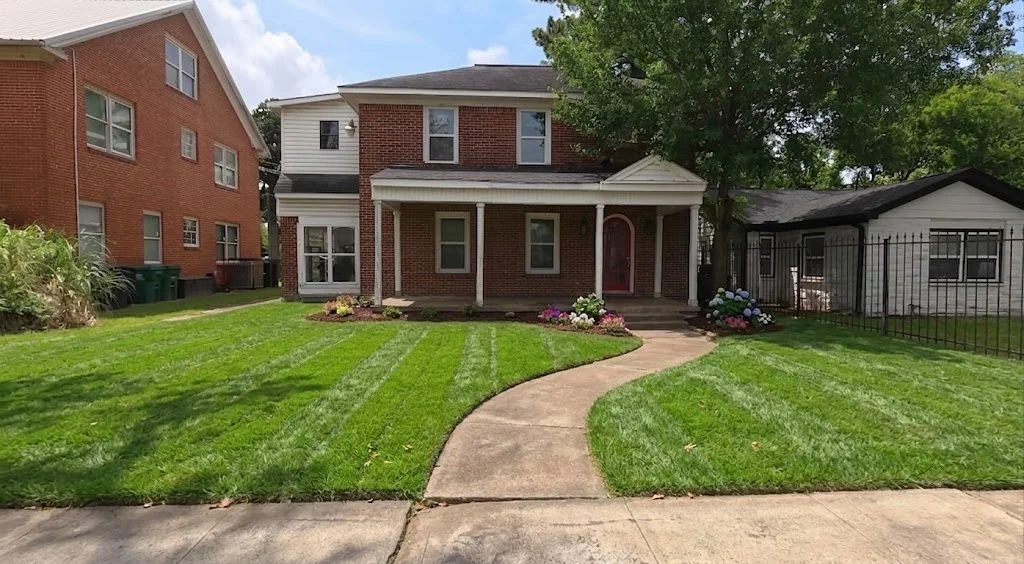
Best Grass for Aiken SC
Bermuda vs. Centipede vs. Zoysia
Getting your grass type wrong is the #1 source of avoidable Aiken lawn damage. Wrong fertilizer on Centipede causes Centipede Decline disease. Wrong mowing height on Bermuda causes scalping in July heat. This guide gives you the Aiken-specific truth.
Aiken SC (USDA Zone 8a) is warm-season grass territory. Four best options: Bermuda (full sun, high traffic, aggressive spreader, mow 1–1.5 inches), Centipede (most common in Aiken, low-maintenance, acidic sandy soil — never over-fertilize), Zoysia (dense, golf course look, partial shade), St. Augustine (best shade tolerance). All go dormant and brown in winter — completely normal.
The Most Common Aiken Lawn Mistake
The Transplant Problem — Northern Advice on Southern Grass
Aiken has a large population of transplants from northern states. The most common, most preventable lawn mistake: applying northern lawn care advice to southern warm-season grass.
❌ Northern Advice on Southern Grass
- "Fertilize in March" → damages Centipede during green-up
- "Fertilize monthly" → triggers Centipede Decline disease
- "Overseed for winter green" → suppresses Centipede next spring
- "Use weed-and-feed" → can kill Centipede grass
✓ What Aiken Lawns Actually Need
- Fertilize AFTER full green-up in May — Centipede only once
- Use grass-type-specific fertilizer — 15-0-15 for Centipede
- Don't overseed warm-season with cool-season varieties
- Pre-emergent timing: watch soil temperature, not the calendar
Aiken SC Grass Types
Every Warm-Season Grass for Aiken — In Detail
🌿 Bermuda Grass — The Aggressive Performer
Most demanding, most rewarding. Full-sun, high-traffic lawns. Common on properties near Aiken's golf courses where Bermuda spreads from course fairways.
Bermuda aggressively invades adjacent Centipede lawns via stolons — very common near Aiken's golf courses and Palmetto Club. Control with sethoxydim or clethodim applied 2–3 times during active growth.
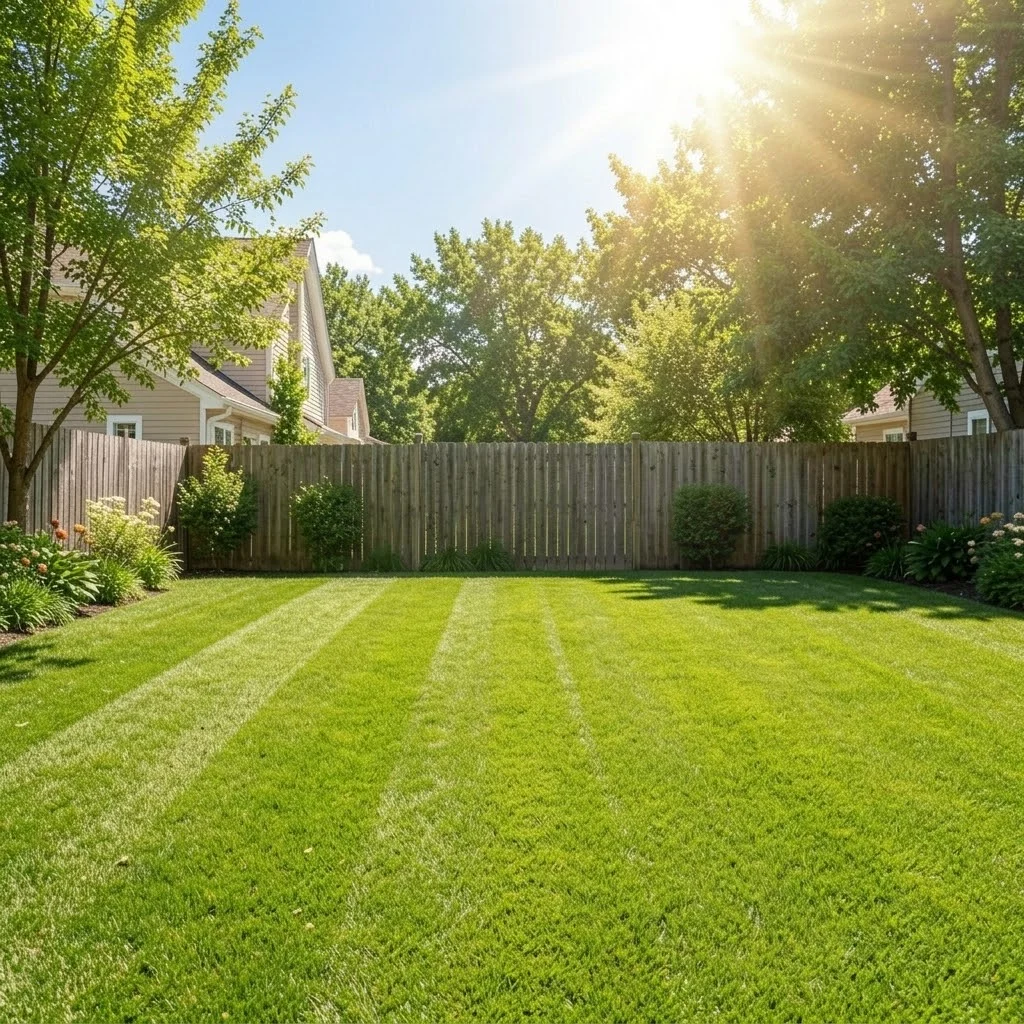
🌾 Centipede Grass — The Aiken Standard
Most common in Aiken SC. Light apple-green color. Very low maintenance — when treated correctly. Over-fertilization is the #1 Centipede killer in Aiken.
Centipede Decline — progressive thinning from over-fertilization — is the most common and preventable lawn disease in Aiken. One annual fertilization only. Soil pH above 6.0 also triggers decline.
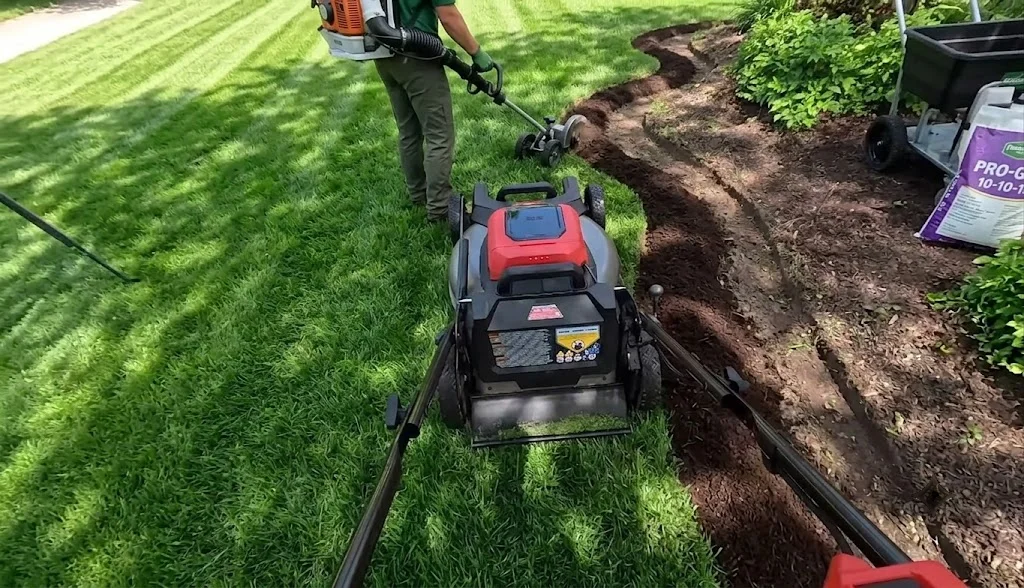
🏌️ Zoysia Grass — The Premium Choice
Dense, carpet-like, golf course appearance. Handles partial shade better than Bermuda. Crowds out weeds once established. Increasingly popular in Aiken's newer neighborhoods.
Grass FAQ — Aiken SC
Real Grass Questions for Aiken Homeowners
Centipede grass is the most common lawn grass in Aiken SC, favored for low maintenance and natural adaptation to acidic sandy loam soil. Bermuda is second most common, especially in full-sun yards adjacent to golf courses. Builders in Aiken commonly install Centipede sod as the default — many homeowners who recently moved in don't know what grass they have until problems arise from incorrect care.
Key differences: Bermuda has fine narrow blades, dark green color, and grows very aggressively — it makes dense tight turf. Centipede has slightly wider blades and a distinctive apple-green (lighter) color — this lighter green is normal and healthy, not a nutrient deficiency. Centipede grows much slower than Bermuda and has a low creeping growth habit. If you're unsure, call us — we identify it on the first visit and build your program accordingly.
Bermuda spreads via stolons (above-ground runners) and rhizomes (underground runners) into adjacent Centipede lawns — especially common near Aiken's golf courses. Soil pH above 6.0 gives Bermuda a competitive advantage over Centipede. Control requires sethoxydim or clethodim (grass-selective, safe on Centipede) applied 2–3 times during active Bermuda growth. Maintain soil pH at 5.0–6.0 to favor Centipede long-term.
Related Guides & Services
Next steps and related reading for this topic.
Lawn Care Built Around Your Specific Grass Type
Centipede, Bermuda, Zoysia, or St. Augustine — we know the difference and treat accordingly.