Weed Control Aiken SC
Pre-Emergent Timing That Actually Works
Crabgrass in summer. Poa annua in winter. Dollarweed after rain. Sand spurs in your sandy soil. The only effective program treats weeds before they emerge and controls the ones that slip through.
Apply pre-emergent before soil reaches 55°F — late February to mid-March in Aiken SC. Watch for forsythia blooming as your natural timing signal. Apply a second pre-emergent in early October for winter annual weeds. Post-emergent spot treatment handles weeds that break through. Year-round program from $55/application.
The Critical Pre-Emergent Window
Why Most Aiken Homeowners Miss It Every Year
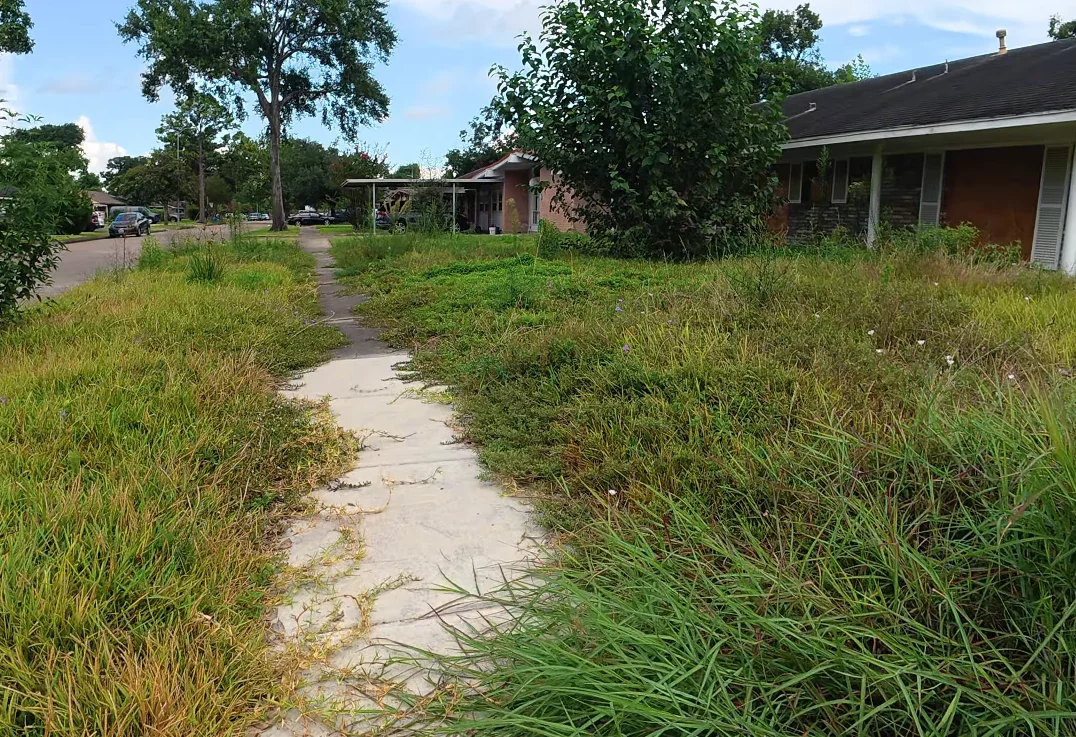
This is what a missed pre-emergent window looks like by July
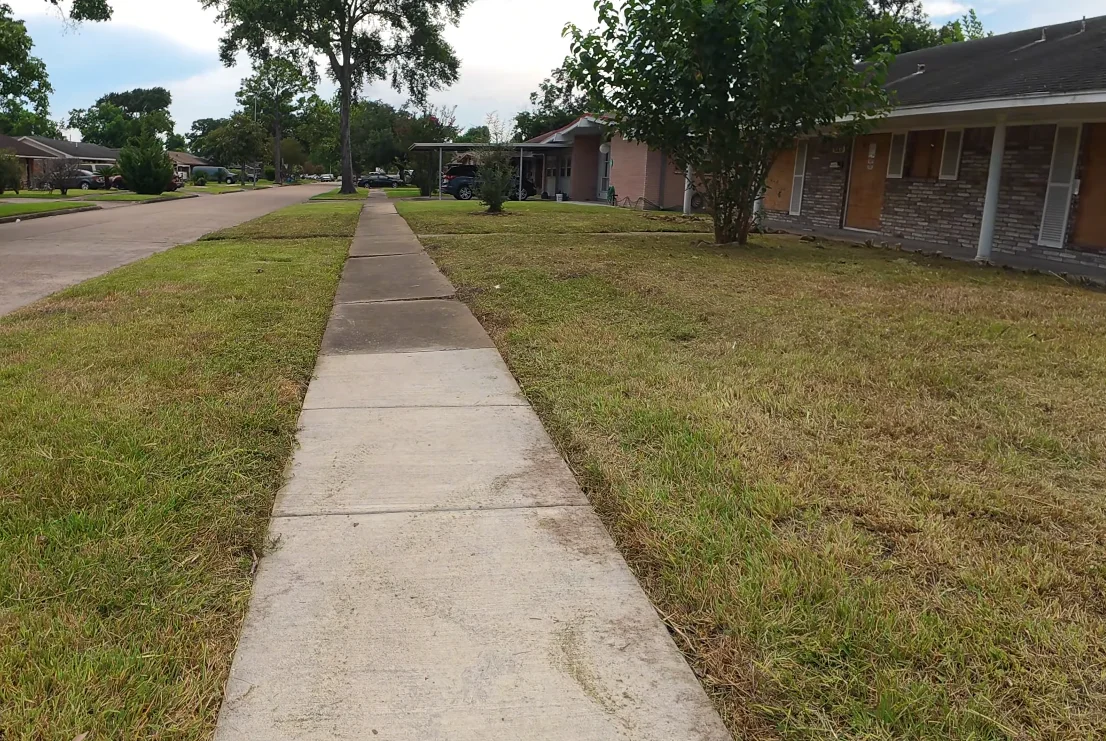
Same yard — pre-emergent program in place
Crabgrass germinates the moment soil reaches 55°F — which in Aiken is late February to mid-March. Pre-emergent applied after germination does nothing. Post-emergent crabgrass control costs more and requires multiple applications. One well-timed pre-emergent application prevents an entire season of crabgrass.
Every Weed in Aiken SC — Named & Treated
The Real Weeds in Aiken Lawns
Correct identification drives correct treatment. Nutsedge requires a different herbicide than crabgrass. Sand spurs require a different approach than dollarweed.
🌿 Crabgrass
Season: Summer annual · Prevent: Spring pre-emergent before 55°F · Treat: Quinclorac post-emergent · Aiken: Germinates late Feb–March
⬛ Nutsedge / Nutgrass
Season: Summer perennial · Treat: Halosulfuron — NOT general broadleaf killer · Aiken: Thrives in moist low spots after summer rains
💧 Dollarweed
Season: Year-round · Treat: Atrazine (Centipede-safe), Image, or Celsius WG · Aiken: Common in moist areas under irrigation zones
❄️ Poa Annua
Season: Winter annual · Prevent: Fall pre-emergent (early October) · Aiken: Bright green patches in dormant warm-season lawns
🌵 Sand Spurs
Season: Summer annual · Prevent: Spring pre-emergent · Aiken: Common in sandy Fall Line soil — spread from unmowed lots
🍀 Clover
Season: Perennial · Treat: Three-way broadleaf herbicide · Aiken: Thrives in nitrogen-deficient lawns — check fertilization first
❄️ Henbit
Season: Winter annual · Prevent: Fall pre-emergent · Treat: Three-way broadleaf herbicide in late winter before it seeds
🍂 Cudweed
Season: Winter annual · Treat: Broadleaf herbicide in late winter · Aiken: White wooly leaves visible in Bermuda lawns through winter
Our Year-Round Program
5-Application Weed Control Program for Aiken SC
- 1
Spring Pre-Emergent (Feb–March)
Applied before soil reaches 55°F. Prodiamine or pendimethalin. Prevents crabgrass, sand spurs, and summer annual weeds all season. Timing is monitored by soil temperature — not by calendar date.
- 2
Spring Post-Emergent (April–May)
Spot-treat any weeds that established before pre-emergent or slipped through. Selective herbicides safe for your specific grass type — different products for Centipede vs. Bermuda vs. Zoysia.
- 3
Summer Nutsedge & Broadleaf (June–August)
Nutsedge explodes in Aiken's hot humid summers. Sedge-specific herbicide applied during active growth. Broadleaf spot treatment for any persistent weeds between visits.
- 4
Fall Pre-Emergent (Early October)
Applied before soil cools enough for winter annuals to germinate. Prevents poa annua, henbit, chickweed, and cudweed during winter dormancy period.
- 5
Late Winter Broadleaf Cleanup (February)
Treat any winter annuals before dormant grass greens up. Timed carefully — Centipede green-up period is sensitive to certain herbicides and we account for this.
Weed Control FAQ — Aiken SC
Real Weed Questions for Aiken Lawns
Apply pre-emergent in Aiken SC before soil temperatures reach 55°F — typically late February to mid-March. Watch for forsythia blooming as your natural indicator. Apply a second pre-emergent in early October for winter annuals like poa annua and henbit. Missing the spring window is the most costly single lawn mistake Aiken homeowners make.
Use extreme caution. General-purpose weed-and-feed products can damage or kill Centipede grass if applied during green-up (late March to early May) or at high rates. Centipede is sensitive to many common broadleaf herbicides. Choose a product specifically labeled for Centipede grass, or better yet, use separate timed fertilization and herbicide applications.
Nutsedge requires a sedge-specific herbicide — standard broadleaf weed killers won't work. Products containing halosulfuron (Sedgehammer) are effective on nutsedge in Bermuda, Zoysia, and Centipede lawns. Apply when actively growing (June–August in Aiken). Multiple applications 6–8 weeks apart are typically needed because underground tubers are difficult to eliminate in one treatment.
Related Guides & Services
Next steps and related reading for this topic.
Year-Round Weed Defense — Aiken SC
5-application annual program from $55/application. Start today.