★★★★★
The sand spurs were unbearable — you could not walk barefoot in the yard. They put pre-emergent down at the right time in February and the difference the next summer was night and day.
Verified Customer
Off US-1, Warrenville SC
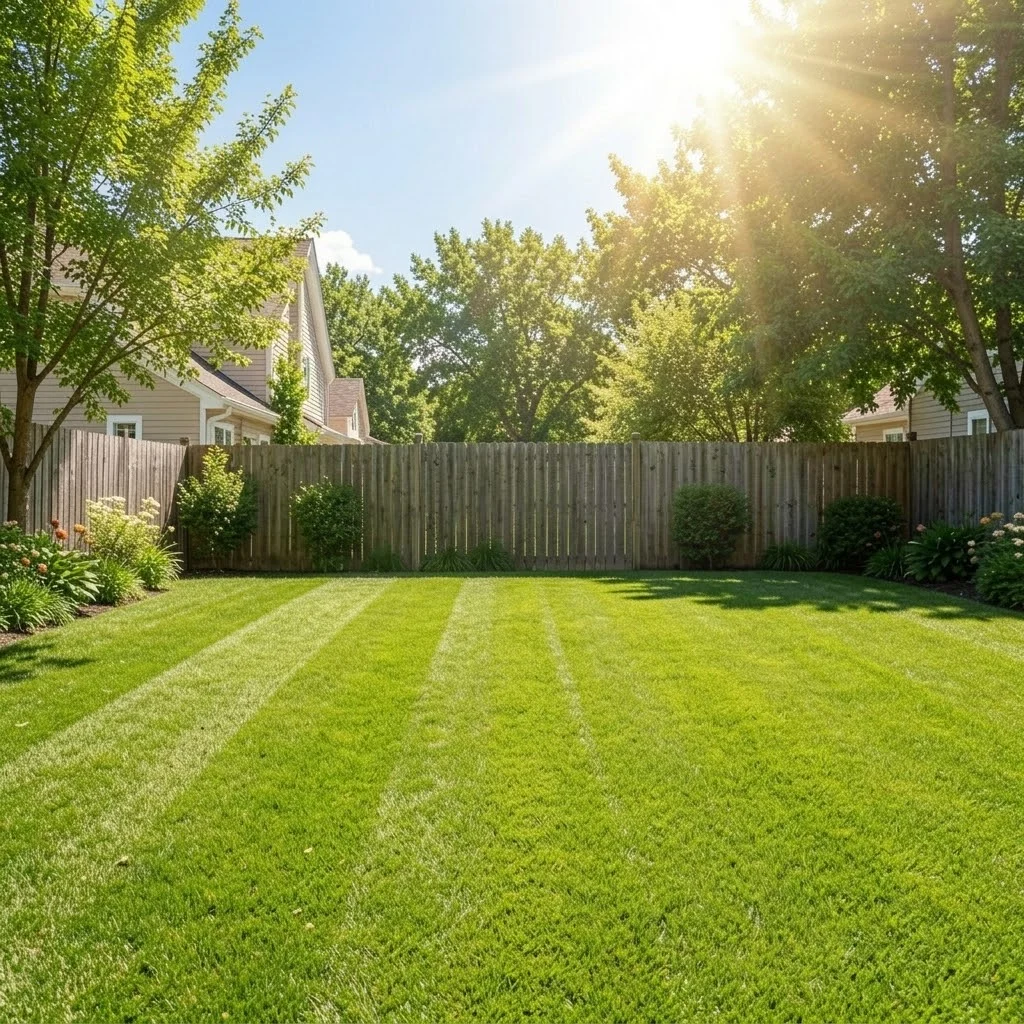
Warrenville sits along the US-1 corridor between Graniteville and Aiken. The highway frontage is the defining factor — constant roadside seed dispersal means pre-emergent timing matters more here than almost anywhere in the county.
Warrenville SC runs along US-1, and roadside seed dispersal from the highway corridor drives elevated annual weed pressure on nearby properties. Pre-emergent timing before 55°F soil temperature is the single highest-value application for Warrenville lawns. Predominantly older Centipede with mature landscaping. Mowing $49–$77/week. Call +1 (839) 746-6007.
Lots fronting or near US-1 receive continuous weed seed pressure from the highway right-of-way, which is mown rather than treated and carries a permanent population of crabgrass, sand spurs, and annual broadleaf weeds. Seed moves onto adjacent turf by wind and vehicle draft year-round. For these properties, the spring pre-emergent application is not optional maintenance — it is the difference between a manageable lawn and a summer of post-emergent spot treatment.
Established Warrenville neighborhoods with mature landscaping — foundation shrubs, ornamental trees, and bed lines that have been in place for decades. Turf is mostly long-established Centipede. Mowing here takes longer per square foot than open subdivision lots because of the trim work around mature plantings, and careless string trimming against ornamental trunks is a real risk.
Larger lots on the outskirts moving toward Clearwater and Bath, with more open sun exposure and a mix of Bermuda and Centipede. Fire ant pressure is higher on these open sandy lots, and mound density picks up noticeably after warm spring rains.
These are the services Warrenville SC properties call about most, based on the local conditions above.
The sand spurs were unbearable — you could not walk barefoot in the yard. They put pre-emergent down at the right time in February and the difference the next summer was night and day.
Warrenville's US-1 frontage is the main driver. Highway right-of-way is mown rather than herbicide-treated, so it maintains a permanent population of crabgrass, sand spurs and annual broadleaf weeds. That seed moves onto adjacent residential turf continuously by wind and vehicle draft. Properties near the corridor need pre-emergent applied on time every spring — it is the highest-value single application for a Warrenville lawn.
Sand spurs are an annual grass that germinates in spring in sandy soil, and the burs form later in the season. The effective control is pre-emergent applied before soil temperature reaches 55°F, typically late February to mid-March in Aiken County. Once the plants are established and producing burs, control is very difficult and largely limited to physical removal and preventing seed set. Missing the pre-emergent window essentially commits you to a season of them.
Before soil temperature reaches 55°F, which in Aiken County is typically late February to mid-March depending on the year. A reliable natural indicator is forsythia beginning to bloom — when you see it, the window is open and closing. A second application in early October targets winter annuals including poa annua and henbit. For US-1 corridor properties both applications are worth doing.
Yes, and it is a common cause of tree loss in older neighborhoods. Repeated string trimmer contact against thin bark cuts through the cambium layer, and a tree that is girdled all the way around will die, sometimes a season or two later so the cause is not obvious. Our crews hand-trim within the drip line of ornamental and heritage trees rather than running a trimmer against trunks.
Warrenville's sandy soil and open lot exposure produce a pronounced flush of mound-building after the first sustained warm rains in March and April. Colonies have been active underground through winter and move upward as soil warms and moistens. Treating before that flush, rather than reacting once mounds are visible, is considerably more effective and usually requires less product.
Next steps and related reading for this topic.
Local 803 crew. SC-licensed applicators. Free estimates.