★★★★★
Two and a half acres and they actually measured what we wanted mowed instead of quoting off the deed. The fire ant broadcast made the biggest difference — we could not let the dogs out before.
Verified Customer
Rural Bath SC
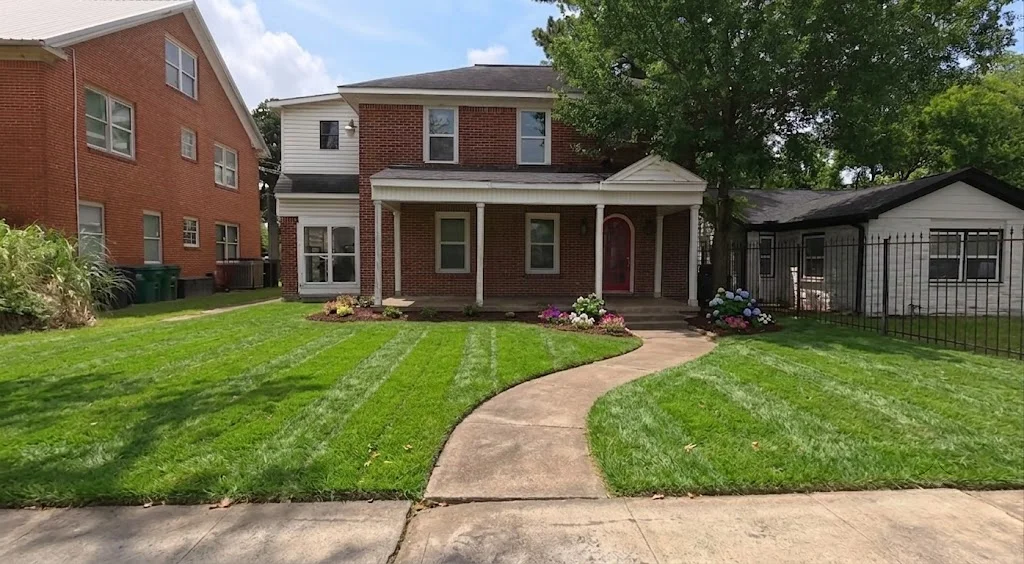
Bath is rural in a way the rest of our service area is not. Half-acre to multi-acre lots, well water rather than municipal irrigation, and the heaviest fire ant density in Aiken County.
Bath SC lots run half an acre to several acres — quoted by actual measurement, not a standard size bracket. Most properties run on well water, which changes irrigation planning entirely. Highest fire ant density in Aiken County due to open sandy rural ground. Mature canopy near Redcliffe creates heavy shade zones. Call +1 (839) 746-6007.
Bath properties along US-1 and surrounding roads are rural residential — typically half an acre to two acres with Bermuda or Centipede turf. Aiken County's sandy loam soil drains faster than the Midlands clay typical of Columbia-area cities, which means fertilizer applications need to account for faster nutrient leaching and drought stress hits sooner in dry spells.
Bath sits in the Horse Creek Valley corridor where humidity stays elevated and soil moisture retention is higher than surrounding elevated terrain. This creates conditions favorable to fungal disease in summer — brown patch (caused by Rhizoctonia solani) on Bermuda and large patch on Zoysia are the primary concerns from June through September, when night temperatures stay above 70°F and leaf wetness persists.
Older Bath area lots frequently have a mixed Centipede and Bermuda stand where one grass type has encroached on the other over the years. Managing a mixed lawn requires knowing which grass is dominant in which zone and mowing at a compromise height — typically 1.5 to 2 inches — rather than optimizing for either grass type individually.
These are the services Bath SC properties call about most, based on the local conditions above.
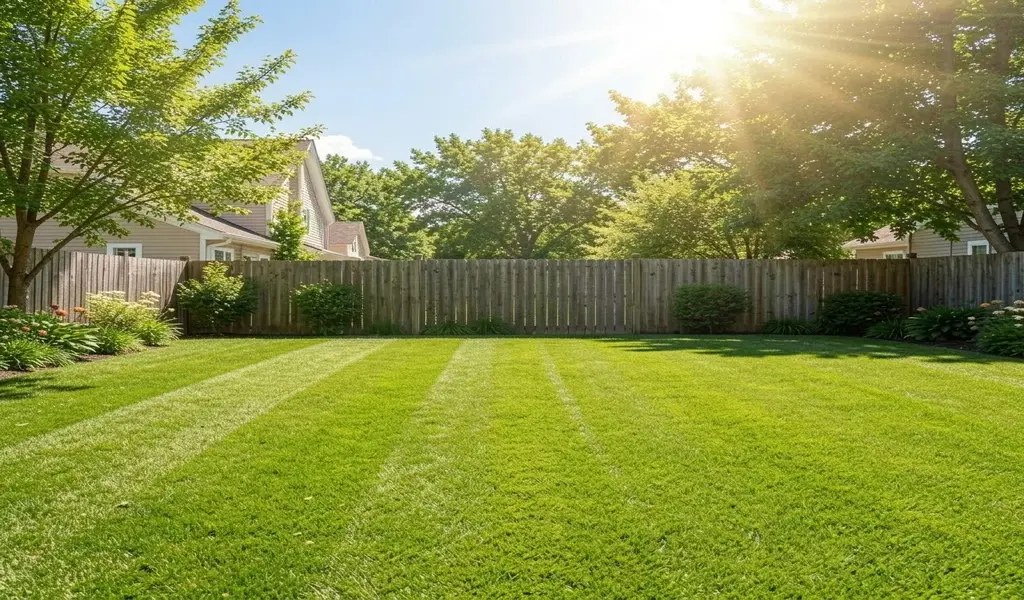
Two and a half acres and they actually measured what we wanted mowed instead of quoting off the deed. The fire ant broadcast made the biggest difference — we could not let the dogs out before.
By measured turf area rather than a standard lot-size bracket. On most Bath properties the maintained lawn is a fraction of total acreage, so quoting off deed acreage would be meaningless. We walk the property, measure the areas you actually want maintained, and quote those. Many owners run a weekly schedule on the core lawn and a longer rotary rotation on the perimeter, which is priced separately.
Open sandy rural ground with limited soil disturbance is close to ideal imported fire ant habitat, and Bath has more of it than anywhere else in Aiken County. Mound counts here regularly exceed what we see in subdivisions by a wide margin. Broadcast treatment is priced per acre for rural properties, and for most Bath lots an annual application is a realistic baseline rather than an occasional extra.
It affects irrigation planning significantly. Well water means no municipal usage restrictions, but it does mean a real limit on sustainable volume and pump capacity. An irrigation schedule designed around municipal pressure can draw a well down, particularly running several large zones in sequence. We build schedules that work within what the well can actually sustain, which usually means shorter cycles spread across more days.
St. Augustine. The mature hardwood canopy across much of that area produces shade deep enough that Bermuda fails outright and Centipede thins to bare ground. St. Augustine has the best shade tolerance of the grasses suited to this climate and holds where the others will not. It needs mowing at three to four inches, which is considerably taller than Centipede, and it establishes from sod or plugs since it produces no viable seed.
Yes, and on properties with mature hardwood canopy it is a multi-pass job rather than a single cleanup. Leaf volume on these lots is heavy enough that one January visit means the lawn spent two months under a matted layer. On Centipede that mat kills stolons, and the damage stays invisible until the lawn fails to green up in April. We typically schedule two or three passes across the fall drop.
Apply pre-emergent when soil temperatures reach 50–55°F, which in Bath's sandy loam typically occurs between late February and mid-March. Aiken County's Fuquay and Lakeland series sandy loam soils warm up faster than heavier clay soils, so the window in Bath is often 1–2 weeks earlier than what the regional calendar suggests. Missing the window means crabgrass germinates freely; once it is up, pre-emergent does nothing. We check soil temperature in the field starting February 15 each year.
Next steps and related reading for this topic.
Local 803 crew. SC-licensed applicators. Free estimates.