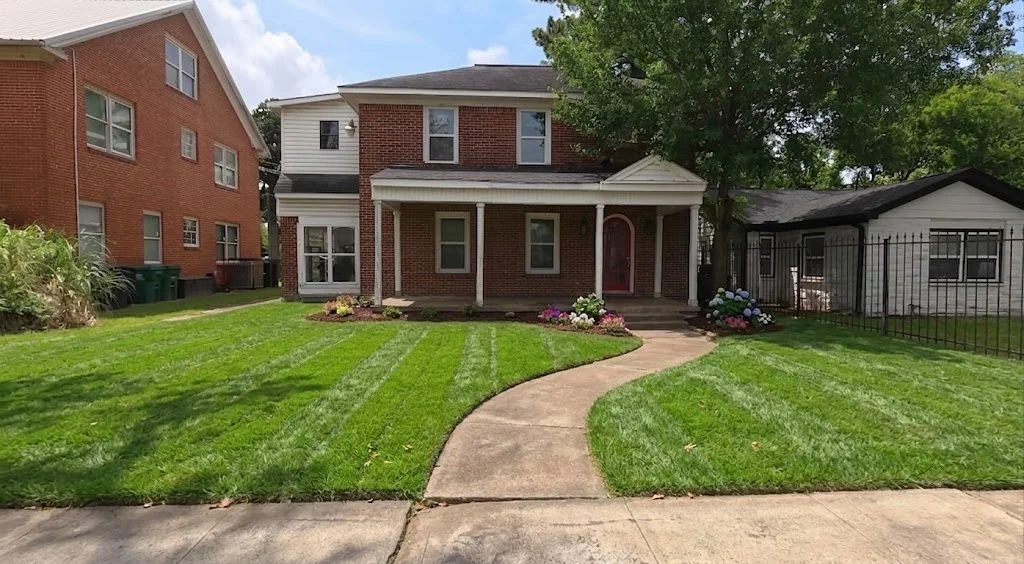
Centipede Grass Care South Carolina
One Feeding a Year. Not Four.
Centipede is the most planted home lawn grass across the SC Midlands and Sandhills — and the most commonly killed. Nearly every Centipede Decline case we restore was caused by following national lawn app advice written for Bermuda or northern fescue.
Centipede grass in South Carolina needs one fertilization per year — 15-0-15 at ½ lb nitrogen per 1,000 sq ft in May or June. Mow at 1.5–2 inches every 10–14 days. Soil pH 5.0–6.0 (it prefers acidic). Never apply high-nitrogen or weed-and-feed during spring green-up. Over-fertilizing causes Centipede Decline, which is fatal.
Centipede Grass — Care Specification for South Carolina
| Factor | Requirement |
|---|---|
| Mowing height | 1.5–2 inches |
| Mowing frequency | Every 10–14 days |
| Fertilization | 1× per year, May–June |
| Fertilizer | 15-0-15 or 16-0-16, zero phosphorus |
| Nitrogen rate | 0.5 lb per 1,000 sq ft per year |
| Soil pH | 5.0–6.0 (acidic) |
| Water | 1 inch per week, deep and infrequent |
| Shade tolerance | Moderate |
| Traffic tolerance | Low |
| Spreads by | Stolons (above ground runners) |
| Green-up | April |
| Dormancy | November–March |
Centipede Decline — The Reason Most SC Centipede Lawns Die
What It Is
Centipede Decline is a gradual thinning and death that typically shows up in the second or third spring after a lawn is over-managed. Patches fail to green up in April, turn straw-coloured, and spread outward. Homeowners usually assume drought or disease and respond with more fertilizer and more water — which accelerates it.
The four causes, in order of how often we see them:
- Excess nitrogen. Centipede evolved on poor, acidic, sandy soil. Feeding it like Bermuda forces growth the root system cannot support.
- Thatch buildup. Over-fed Centipede produces stolons faster than they decompose. Thatch over ½ inch blocks water and holds disease.
- Soil pH too high. Centipede wants 5.0–6.0. Lime applied "because the lawn looks bad" pushes pH up and locks out iron.
- Mowing too low. Below 1.5 inches scalps the stolons and exposes soil to weed invasion.
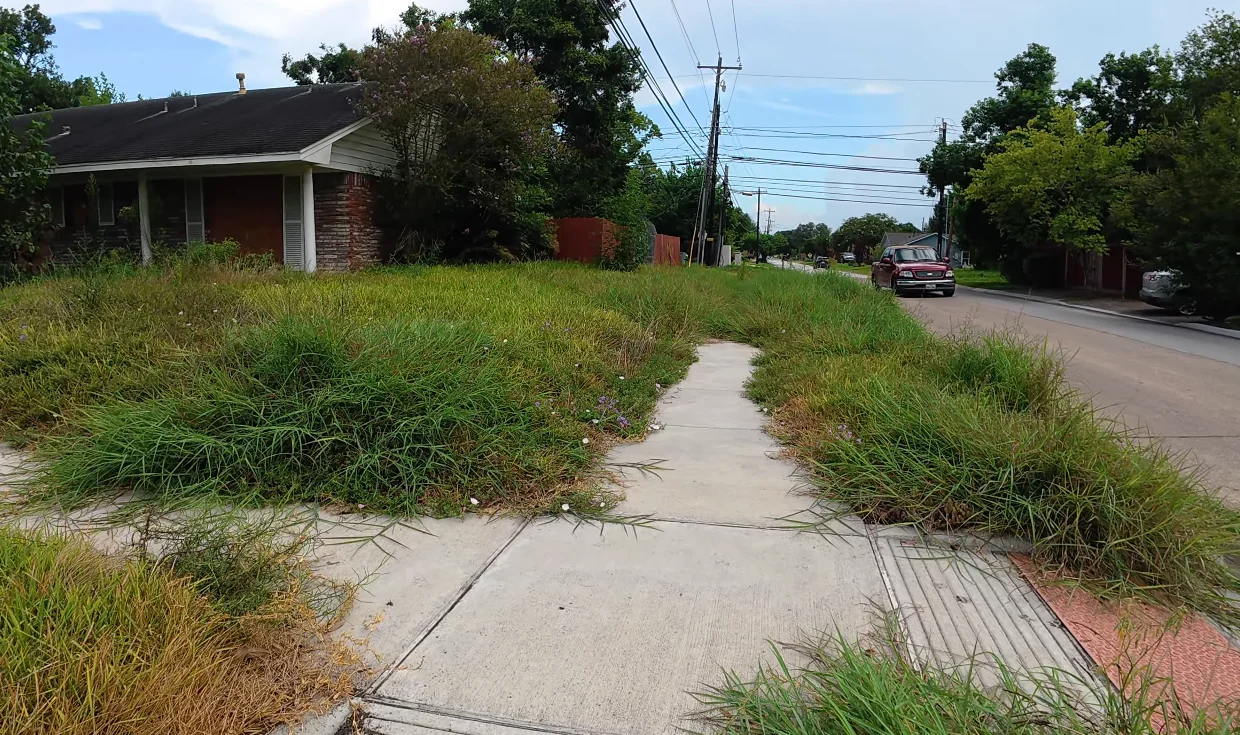
Centipede Decline — over-fertilized, thatch-bound
Centipede Calendar — South Carolina
Apply pre-emergent before soil hits 55°F. No fertilizer. Centipede is still breaking dormancy and nitrogen now is the classic way to trigger decline.
Let it green up on its own. If it looks pale, that is normal spring transition, not hunger. Resist the urge to feed.
Apply 15-0-15 at ½ lb nitrogen per 1,000 sq ft once the lawn is fully green. This is the entire year's fertilization. If the lawn yellows later, that is iron, not nitrogen — apply chelated iron instead.
Mow at 2 inches every 10–14 days. Water 1 inch per week in one or two deep soakings. Watch for large patch in humid stretches.
Core aerate if thatch exceeds ½ inch. Follow with fall pre-emergent for poa annua and henbit. Still no nitrogen.
Brown is normal and expected. Do not fertilize, do not overseed with ryegrass (it competes with Centipede stolons in spring), and keep leaf litter cleared so stolons are not smothered.
Frequently Asked Questions
How often should I fertilize Centipede grass in South Carolina?
Once per year. Apply a 15-0-15 or 16-0-16 fertilizer at half a pound of nitrogen per 1,000 square feet in May or early June, after the lawn has fully greened up. That single application is the entire year's feeding. Additional nitrogen is the leading cause of Centipede Decline across South Carolina lawns.
What is the correct mowing height for Centipede grass in SC?
Mow Centipede at 1.5 to 2 inches, every 10 to 14 days during the growing season. Two inches is safer than 1.5 in the SC Midlands because the extra blade length shades the soil and reduces summer stress. Never remove more than one third of the blade in a single mowing — scalping Centipede exposes stolons and invites weed invasion.
Why is my Centipede grass turning yellow in South Carolina?
Yellowing Centipede in SC is usually iron deficiency, not nitrogen shortage. The acidic sandy soils common across the Midlands and Sandhills can lock up iron, and the symptom looks like hunger. Apply chelated iron rather than fertilizer. Adding nitrogen to a yellow Centipede lawn typically makes the problem worse and can start Centipede Decline.
What soil pH does Centipede grass need in South Carolina?
Centipede prefers acidic soil with a pH between 5.0 and 6.0 — lower than most turfgrasses. Many SC homeowners apply lime out of habit, which raises pH above 6.0 and causes iron lockout and gradual decline. Test soil before liming. If pH is above 6.5, elemental sulfur can bring it back down over one to two seasons.
Can I overseed Centipede grass in South Carolina?
Generally no. Centipede spreads by stolons and fills in on its own when healthy. Overseeding with ryegrass for winter colour creates spring competition exactly when Centipede stolons are trying to green up, and commonly weakens the stand. If a Centipede lawn has bare areas, fix the underlying cause — thatch, pH, or over-fertilization — rather than seeding over it.
Related Guides & Services
Next steps and related reading for this topic.
Centipede Grass Care South Carolina
Local Aiken SC crew. SC-licensed applicators. Free estimates.